
PS C:\> tar -xf Manic_Bullshit_v1.zip
Application_Install.exe
When you have a mental health condition, like Bipolar 1 disorder, and change in a way that is real and visible and costs you everything, some people will reach for a clinical word to explain it. Manic bullshit. Mania episode. Red flag. They are not doing it to help you. They are doing it because your transformation makes them uncomfortable, and a diagnosis is cleaner than accountability. Here is what they need to hear: doing the work and having a manic episode do not look the same. One runs from grief. The other sits inside it, every single day, on purpose, without numbing it. If someone in your life is pathologizing your growth to avoid their own, blaming you instead of being accountable, or even reversing themselves into being a victim when you bring up a legitimate problem, that is their coping mechanism. It has DARVO written all over it, because it is. It is not your truth.
You do not need to shrink your recovery to fit inside someone else’s comfort level. You do not need to defend your stability to people who are not your treatment team. Setting a boundary, ending a pattern, stating a genuine problem, sitting in silence, writing the hard thing out loud…none of that is a symptom. That is what healing actually looks like when it is unglamorous and real and costs you the version of yourself everyone was used to.
That is the application. The rest is the source code.
Source_Code.txt
The open-source code below is free, for you to analyze, modify, and build your own application with.
> pathologizing to avoid their own accountability: DARVO.exe
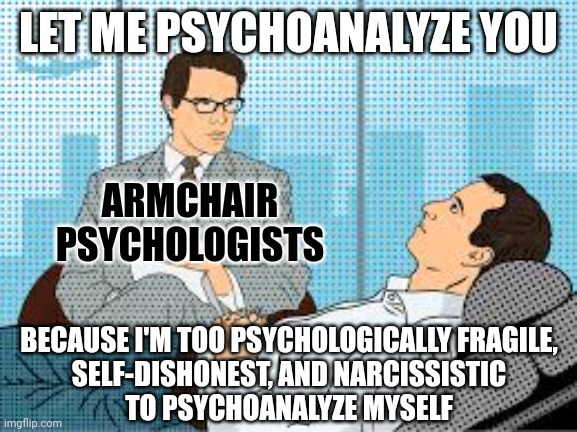
Some people think all of this is mania, some even specifically, maliciously, and ruthlessly calling it “manic bullshit” (yes, a loved one said that to me) to avoid their own accountability. That is gaslighting. That is a DARVO behavior.
What Is DARVO?
https://harbormentalhealth.com/2025/10/31/darvo-manipulation-how-to-spot-and-protect-yourself/
DARVO is an acronym for manipulative communication: Deny, Attack, Reverse Victim and Offender. Coined by psychologist Jennifer Freyd in the 1990s, DARVO describes how individuals may evade accountability when confronted with their wrongdoings.
DARVO combines elements of gaslighting and blame-shifting. Instead of addressing the issue, perpetrators deny the facts, attack the accuser, and position themselves as the true victim while portraying the original victim as the aggressor.
DARVO is more than just “someone overreacting”—it’s a calculated narrative shift often used by people who benefit from not being held accountable. It serves to:
Evade responsibility,
Maintain power and control,
Discredit the person raising the alarm,
Centralize sympathy and attention back on the perpetrator.
This blog. The thousands of words. The relationship ending. The deleted social media. The annihilated social circle. The medication changes. The emotional intensity. The pace of all of it. From the outside, looking in, I understand how someone lands there. Everything looked big. Everything looked fast. Everything looked like a man either coming apart or flying too close to the sun.
I want to be honest about that read, because it comes from people who love me, and some who don’t, and I am not interested in dismissing them even when it lands completely wrong. There is something genuinely sad about the fact that the people closest to me, and those who aren’t, watched the most grounded and intentional season of my life and reached for a diagnosis instead of a conversation. That is worth sitting with. Not with resentment, but with honesty. The version of me who would have collapsed under that characterization, who would have questioned himself, shrunk himself, performed stability for their comfort? The person that would have believed the DARVO gaslighting and internalized the labels? I barely recognize him. I have too much love for myself now to let someone else’s narrative replace my own lived experience.
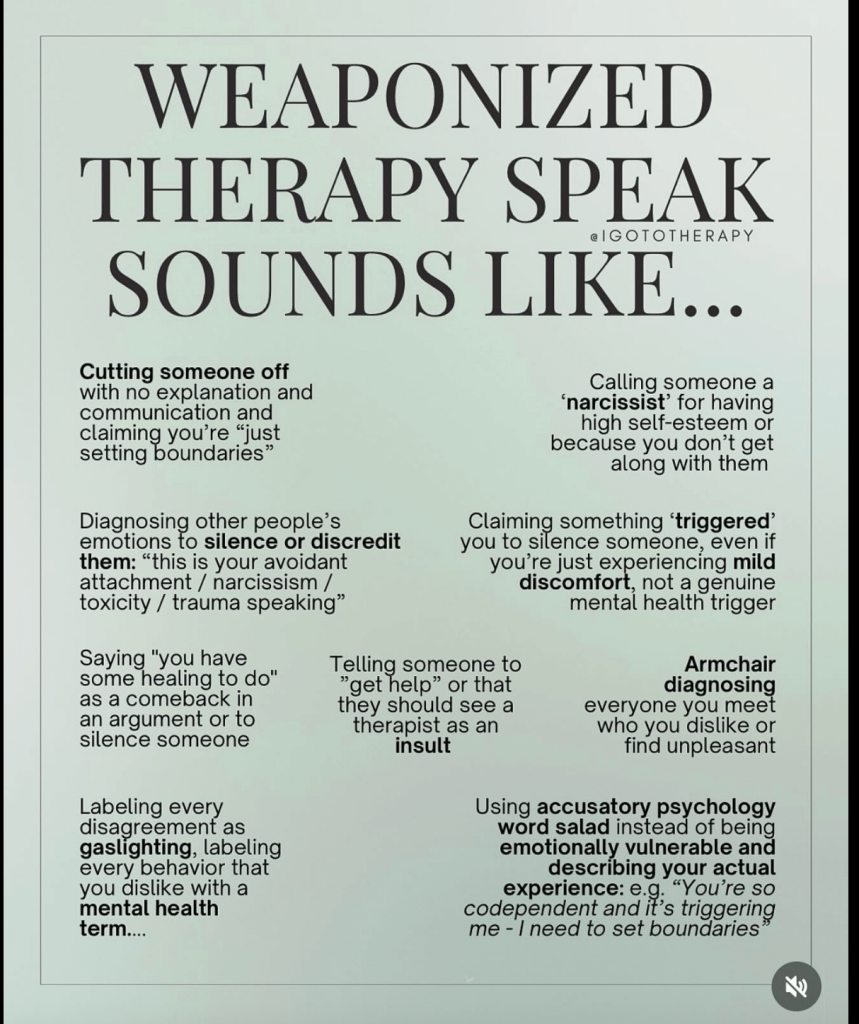
This language drives some people with mental illness to ending their lives because of the deep internal shame it creates.
But I also need to say this clearly: that narrative is incorrect. And it is doing something harmful when it gets repeated, because what it actually does is take the hardest and most grounded work of my life and reframe it as a symptom. It takes my healing and calls it an episode. It takes my clarity and calls it a red flag. It takes the most honest I have ever been in my entire life and calls it a warning sign. It is perpetuating stigmas. It is gross.
It is unbelievably ironic that some people, some even with years of psychological training, who roam around the world portraying themselves as stellar, respectable, professional, open-minded, non-judgmental, unconditionally loving, caring, understanding, compassionate, empathetic, genuine, authentic, and kind-hearted, stigmatize and pathologize people living with permanent mental health conditions they didn’t choose. These people use DARVO, which is the absolute worst thing possible and the exact opposite of all the positive things they claim to be.
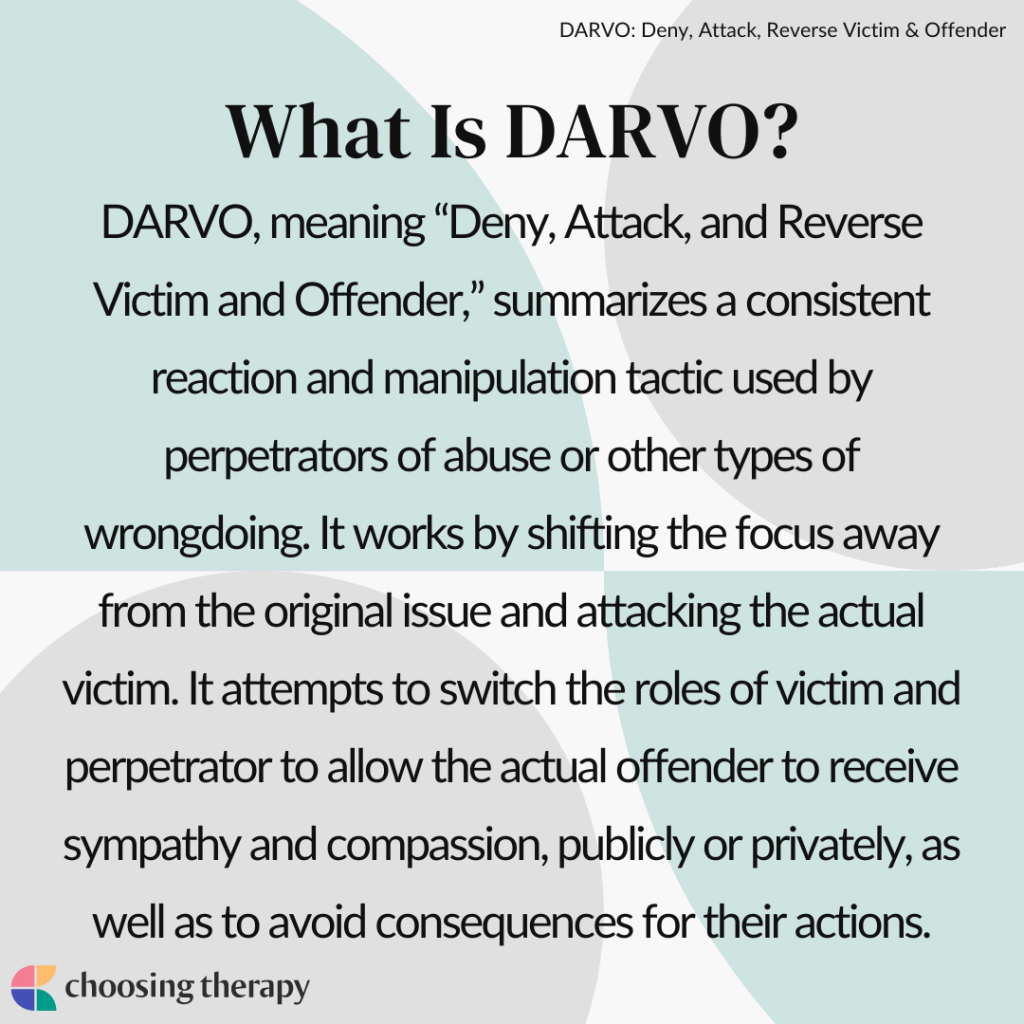
Look up DARVO sometime.
These people are ironically misbehaving in ways that Alanis Morissette could write an entire follow up song to her chart-topping 90’s anthem just about them, and it would go triple-platinum. We ALL know THESE types of people. They walk among us everywhere. They read this blog and roll their eyes.
When you’re surrounded by spoons but you needed a knife, keep your spoons. I’ll find a knife somewhere else. I don’t need their stigmatic flatware. Alanis, are you listening? This could go big, and it’s not a manic idea, I promise!
Here is what mania actually looks like. Mania is a reduced need for sleep without fatigue. It is grandiosity untethered from reality. It is impulsive decision-making with no regard for consequences. It is a racing mind that cannot slow down or sit with itself. It is the absence of grief, guilt, and self-reflection, because mania does not pause to feel those things.
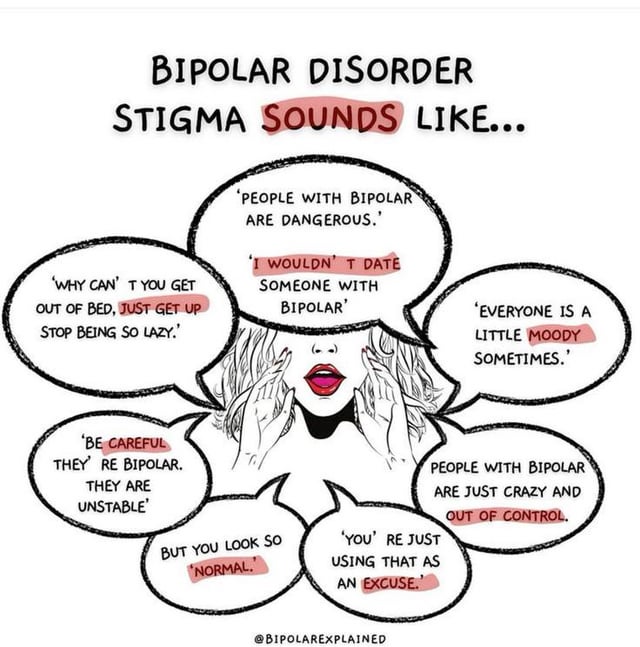
Yes, people have done this to me.
Mania does not sit in weekly therapy. Mania doesn’t sleep 8 hours a night and take naps. Mania does not voluntarily walk into a psychiatric facility and ask for help. Mania does not do IFS session after IFS session excavating the parts of itself that caused damage. Mania does not eliminate alcohol and then, in the middle of the hardest months of its life, choose to eliminate cannabis too. Mania does not write public amends to people it hurt. Mania does not feel guilt. Mania does not grieve. Mania does not stay, it runs.
I did all of those things. Every single one of them. Documented, witnessed, supported by my treatment team from all angles, sustained across months.
What looked impulsive from the outside was the result of finally making decisions from my actual values instead of my fear. Deleting my online presence was not an episode. It was removing the performance stage. Dismantling my social circle was not impulsivity. It was finally being honest about which relationships were real and which ones were me people-pleasing my way through life so I never had to be alone with myself. The blog is not a symptom. It is a man processing the most significant internal transformation of his life in the only language he has ever fully trusted, while people stigmatize and pathologize his growth. That hurts.
I have been sober through all of it. Present through all of it. Feeling every single thing, the grief and the guilt and the fear and the loss and the disorientation and the relief and the love, without numbing any of it. That is not what mania looks like. That is what doing the work looks like. That is what self-love looks like when it is unglamorous and grinding and costs you everything you thought you needed. Those two things are not the same and I will not pretend otherwise to make someone else more comfortable with my recovery.
And now I need to say the loud part. I’m actually leveling up.
I’m not dysregulating anymore. I’m self-regulating. I’m not spiraling anymore. I’m stabilizing. I can be asymptomatic, regulated, grounded, and still say no with my whole chest. I will say no with a loud enough voice to ensure attention and to be taken seriously. That is not mania. That is a man who finally loves himself enough to hold a boundary without apologizing for it. That is what unrecognizable looks like from the inside. I used to crumble when people questioned my stability. I don’t crumble anymore.
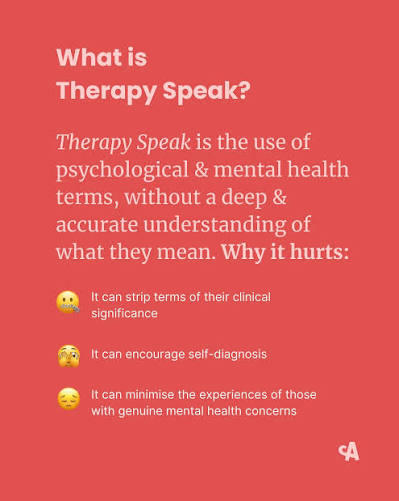
Because that is what this is really about, isn’t it. When someone pathologizes your growth, they need to ask themselves what they are avoiding in themselves. Accountability, usually. The discomfort of watching someone refuse to stay small. The inconvenience of a person who no longer performs for them. Calling it mania is cleaner than admitting that my changes implicate them somehow. It’s all denying, attacking, and reversing victim and offender. DARVO.
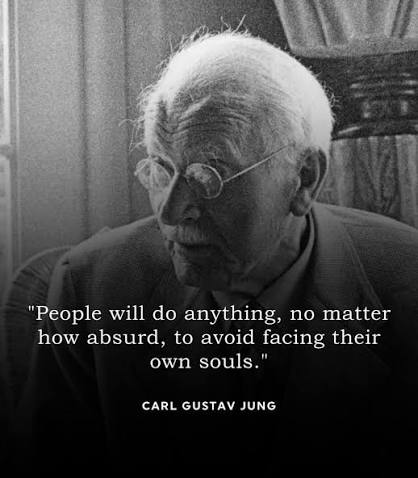
People will do unspeakable and unimaginable things to avoid their shadows, accountability, guilt, and consequences—and project it all onto someone else.
I know this well, I did it for most of my life.
It’s called avoidance.
A pattern I have identified and completely ended.
I am no longer tolerating people who weaponize my mental health diagnoses against me. If an unqualified, uncredentialed person, a friend, a family member, a foe, a whoever, tries to pathologize my growth, tells others their diagnosis of me, or goes so far as to use AI to analyze and pathologize me, all to avoid their own accountability, that is their coping mechanism. This behavior is destructive. It is hurtful. It is stigmatizing. It is DARVO. It is not my truth, my experience, or my reality.
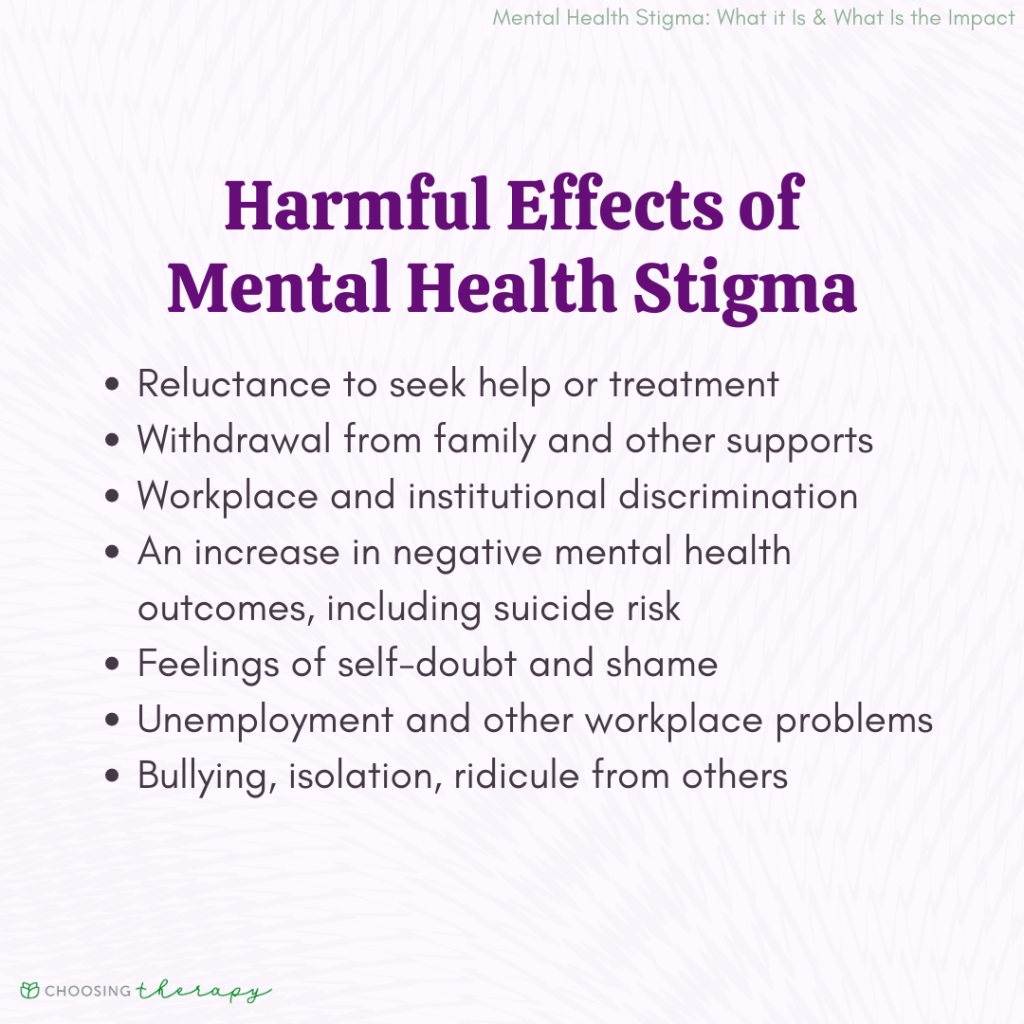
It’s heinous.
Me setting boundaries, speaking my truth, ending performances, aborting rescue missions, cutting off unhealthy relationships, ending patterns, stating problems, and refusing chaos is not “mental whatever” or manic-bullshit. It is self-respect. It is recovery. It is love. It is what I look like now.
I struggle when someone seems to know more about bipolar disorder and mania than someone who has lived with it for over twenty years. If I claimed to be some super-expert on something that I am not credentialed in, I would be considered by my psychiatrist to be delusional and acting with grandiosity. But when they do it, they aren’t? This hurts too.
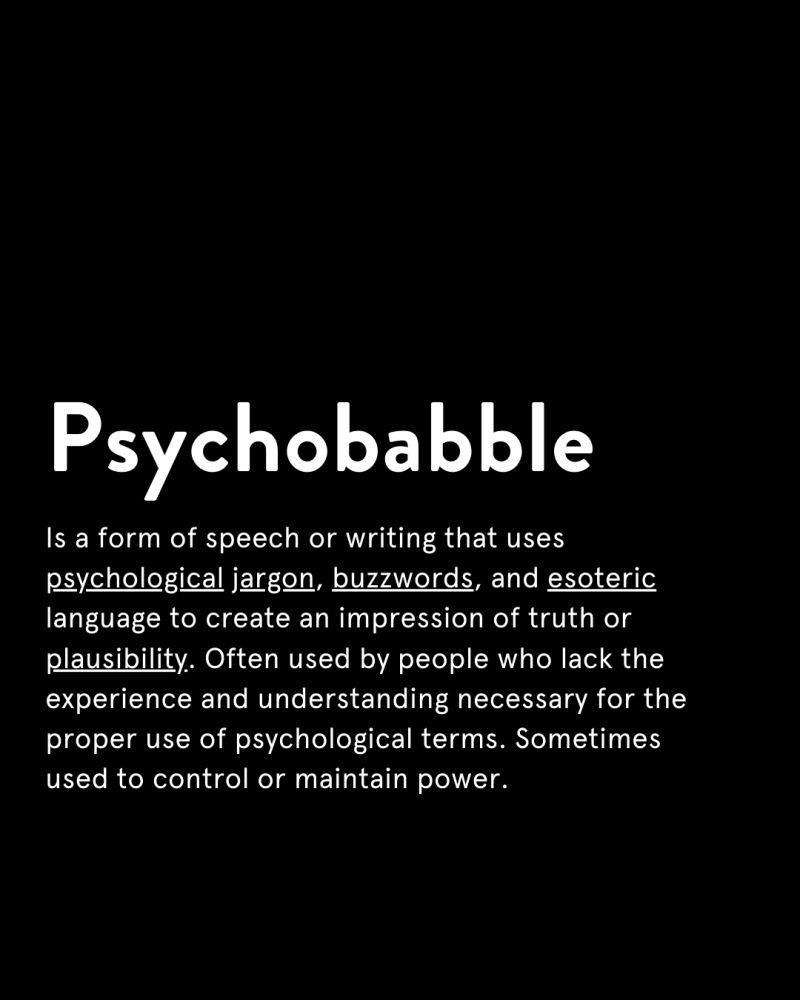
Asserting authority over my mental health experience outside of their scope of practice, if they even have one, is unethical, often illegal, dangerous, and harmful.
Capisce?
Leave a Reply