2KVYOT3.L0VE
Tukayote Helianthus v2
Walking away from suffering.Walking towards love.With intention.
49206C6F766520796F752E
-
Every city has a haunted house. Mine is all of downtown Bellingham. The bars, the alleys, the breakfast tables, the blocked contacts, the empty chairs. I changed my name, got sober, lost almost everyone I knew, and I still have to walk through all of it. Here’s what it looks like when your whole former life becomes a ghost, and you realize you’re the one who got away.
-
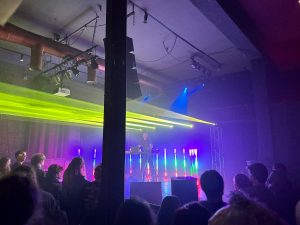
Let me tell you a little story about a guy I used to know. Drunk. Psychotic. Angry. Drug fueled. The life of every party and the death of every relationship. In a two-year span of time, he attended 94 shows at the Wild Buffalo House of Music, high on drugs and alcohol every time. And even wilder is that the “Buff” was just one of several venues he frequented. Bartenders knew him by name. So did the drug dealers. So did the police. So did the St. Joe’s ER and psych-ward staff. You could call him a “frequent-flyer” with all…
-
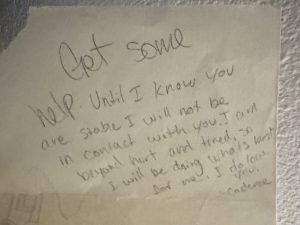
3.5 years. Two hospitalizations. One note that said “Get help” on an empty bedroom door. This is the story of my estrangement from my daughters, what I had to burn down to become someone worth coming back to, and how I found my way back to them. This is not a highlight reel. This is the whole ugly house.
-
Three days of real peace. Then Thursday happened and my nervous system decided to manufacture a full-blown crisis out of thin air. This is what it looks like when your rational mind is miles ahead and your body is still running trauma drills for a war that is already over. Also: a word to the critics and the ghost-readers. Spoiler: the firewall is up and the view from up here is worth everything it cost.
-
I spent months grieving what I lost. Then one Tuesday the grief shifted into something I didn’t have a word for yet. Not sadness. Not anger. Bewilderment. A deep, disorienting, almost embarrassing what was I tolerating? I had been pouring everything into people who were treating me like a resource. Emotional support they never returned. Money that disappeared. Access. That’s what they wanted. Not me. When I walked away from enough of it, the noise stopped. And in the quiet, I found him. The version of me that had been waiting his whole life to be seen and loved by…
-
They broke my trust, again. They harassed me, again. They tried their best to hurt me, again. These people from my past showed their true colors again in a way I couldn’t miss. A performance I’d experienced before so many times, and I just finally had my eyes open wide enough to see it clearly. These people acted predictably and unpredictably, again, and I gave them absolutely nothing, again.
-
February was raw, demanding, and deeply transformative. I faced everything I used to numb, made real amends, held boundaries, and did not repeat a single toxic pattern. At 53 days sober off everything, I am clear, grounded, and learning how to live inside a nervous system I shut down for most of my adult life. The loneliness is intentional, peaceful, and earned. Staying changed everything.




Top Tags
accountability addiction alcohol amends anxiety anxious attachment autism autonomy avoidance awareness bipolar disorder bison metaphor boundaries cannabis chemical sobriety codependency community consequences courage cravings dance daughters denial dopamine deficiency drugs ego death emotional sobriety estrangement fatherhood freedom gratitude grief guilt harassment harm caused healing honesty hospitalization hypervigilance identity in photos insta360 integrity internal family systems intuition kratom labels and stigma lies told long distance walking loss love mania manipulation masking medication mental health monthly recap nervous system neurodivergence nicotine ownership parts work peer support psychosis PTSD radical acceptance recovery resilience ricoh griiix salish sea scars self love self worth shame sobriety solitude stalking toxic patterns transformation trauma unconditional love unmasking unrecognizable veteran vulnerability