2KVYOT3.L0VE
Tukayote Helianthus v2
Walking away from suffering.Walking towards love.With intention.
49206C6F766520796F752E
-
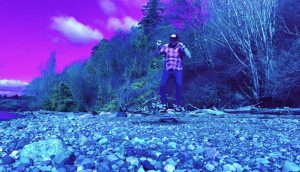
I woke up crying with grief and confusion I still hadn’t fully untangled. I had believed in something completely and poured everything into it, and then it ended in a way that took months to make sense of. Dancing to Over My Head at high tide became the only honest response. No resolution, no easy answers. Just grief, honesty, and the choice to keep moving forward.
-
These months did not break me. They refined me. I screamed into the ocean. I cried alone. I walked through rain and sunlight. I watched the sun set from the safety of the pier whenever I could. I wrote amends. I kept my boundaries. I stayed true when it would have been easier to disappear. This is a record of gratitude earned, integrity held, and love chosen again and again.
-
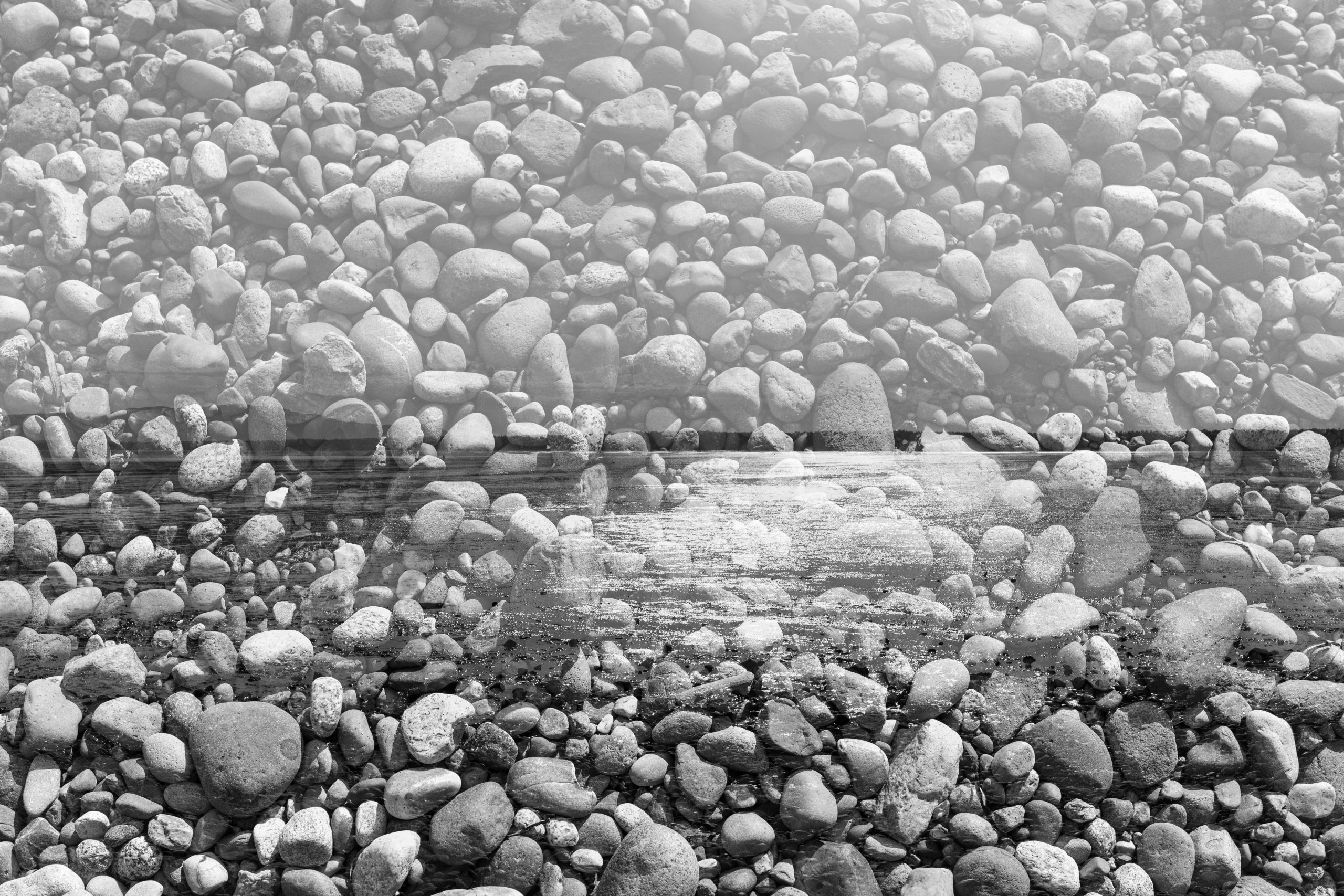
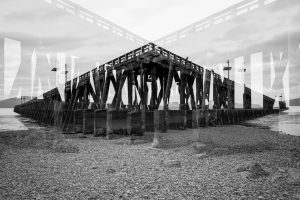
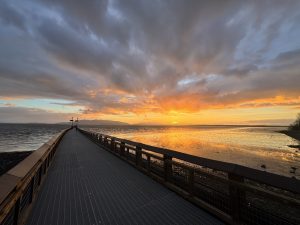
Tonight I brought my favorite camera, the Ricoh GRIIIX down to the Little Squalicum Pier and played with multiple exposure photography. At 40mm of course. It was a lot of fun! I go to the pier as often as I can to catch sunsets and reflect on my life. It’s my safe, special place. ❤️
-
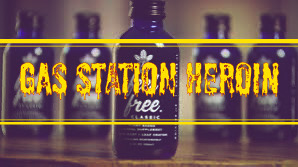
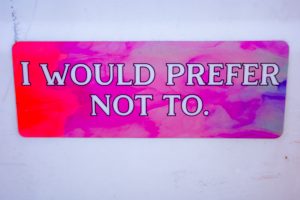
A simple and fun mindfulness photowalk today collecting pictures of stickers I found on cars in Bellingham. Shot with the Ricoh GRIIIX at 40mm.
-
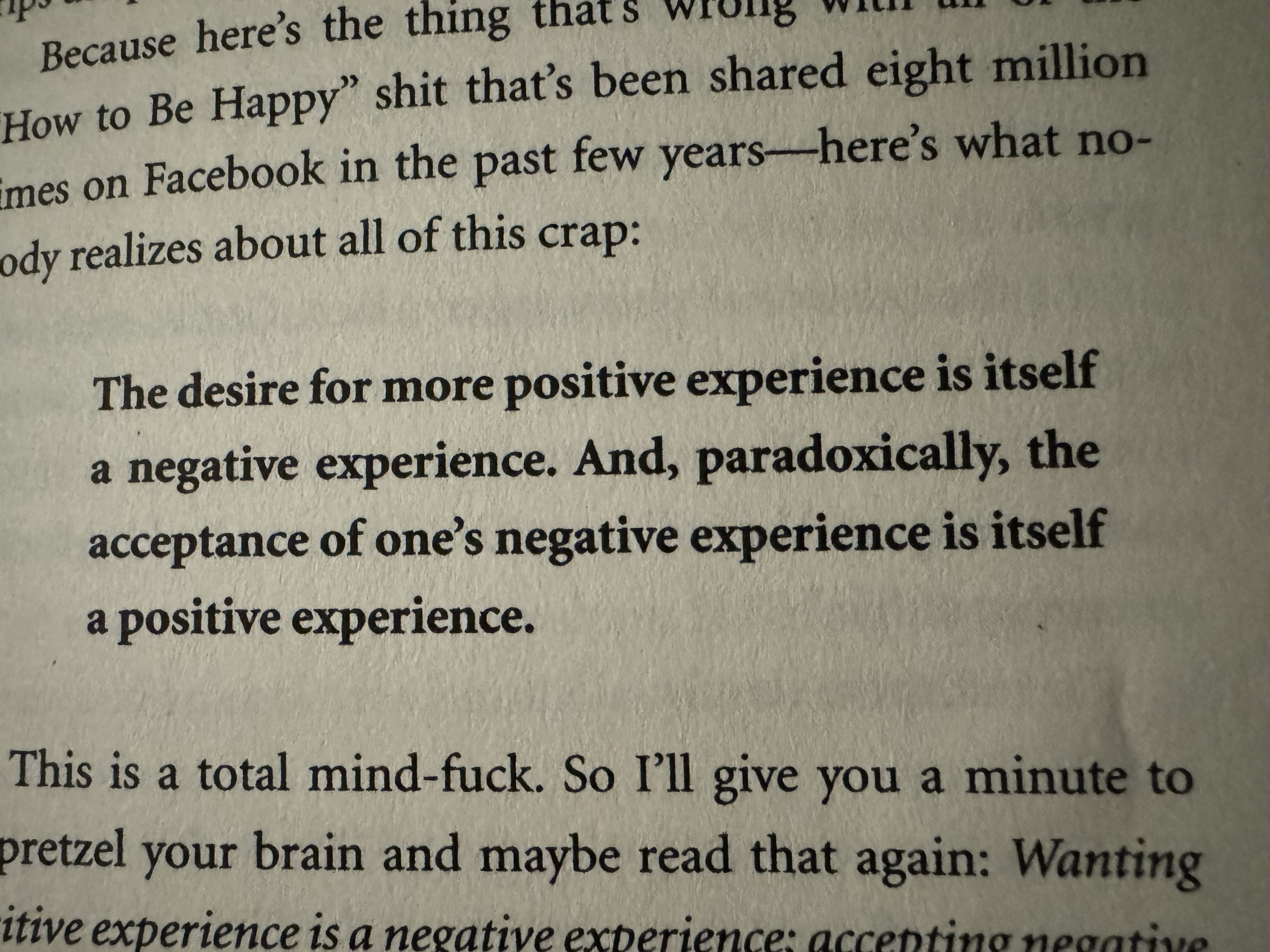
Ego death isn’t a breakthrough. It’s not enlightenment. It’s not a glow-up. It’s the violent collapse of an identity that was keeping you alive while quietly killing you. I ended patterns that were destroying me and detonated my nervous system in the process. I stopped avoiding. I stopped numbing. I stopped performing stability for other people’s comfort. I chose integrity knowing it might never be acknowledged. What followed was months of internal and external torture. Daily triggers. Hypervigilance. Boundaries being tested and violated. People disappearing. Grief without witnesses. Accountability without applause. I screamed into the ocean in cold storms. I…
-
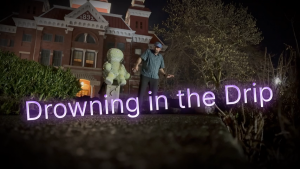
This piece was written after avoidance failed and accountability became unavoidable. Behind Old Bellingham City Hall, with the bass of Drowning in the Drip grounding me in my body, I stayed present with the harm I caused, the consequences I earned, and the amends I am making without asking for forgiveness. This is not a redemption story. It is a commitment to never repeating the damage.
-
I’m not interested in perfection or performative growth. I’m interested in staying honest with myself, choosing safer behaviors, and continuing forward even when it’s uncomfortable. Accountability is how I respect myself. It’s how I protect my healing. And it’s how I build a life that doesn’t require me to abandon myself to survive it.

Top Tags
accountability addiction alcohol amends anxiety anxious attachment autism autonomy avoidance awareness bipolar disorder bison metaphor boundaries cannabis chemical sobriety codependency community consequences courage cravings dance daughters denial dopamine deficiency drugs ego death emotional sobriety estrangement fatherhood freedom gratitude grief guilt harassment harm caused healing honesty hospitalization hypervigilance identity in photos insta360 integrity internal family systems intuition kratom labels and stigma lies told long distance walking loss love mania manipulation masking medication mental health monthly recap nervous system neurodivergence nicotine ownership parts work peer support psychosis PTSD radical acceptance recovery resilience ricoh griiix salish sea scars self love self worth shame sobriety solitude stalking toxic patterns transformation trauma unconditional love unmasking unrecognizable veteran vulnerability