
Package Contents
Trigger warning:
This post talks openly about mental health stigma and suicide, including my own experience with both.
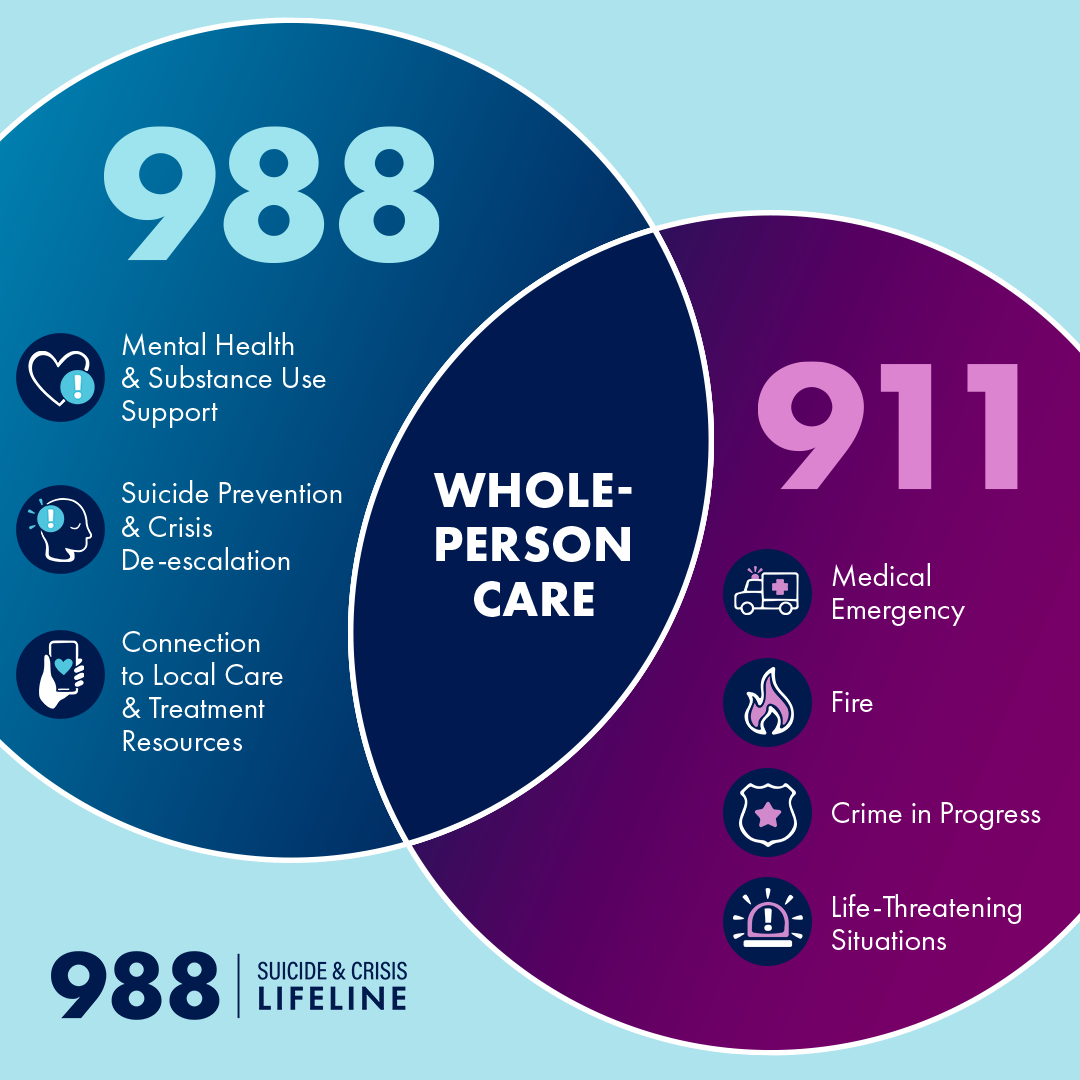
If you’re in crisis right now, skip to the 988 Suicide and Crisis Lifeline section at the very bottom, or call or text 988 directly.
Take care of yourself first.
Application_Install.exe
For years, every time I finally asked someone to own what they did, they called me manic. I believed it once so hard I ended up in a psych ward getting ECT. I was right the whole time. It was never mania. It was me asking for accountability, and them using my diagnosis to dodge it.
I know what real mania looks like. This isn’t it. I’m sober, sleeping, in treatment, and I say no in thirty seconds now instead of bottling it for months. Your diagnosis is not anyone’s alibi. And if someone tells you a person is “manic” right after that person asked them to own something, ask what they’re not owning.
That is the application. The rest is the source code.
Source_Code.txt
The open-source code below is free, for you to analyze, modify, and build your own application with.
> the first time I was right: affair_confirmed.log

The first time someone called me manic, I was right.
I knew my partner was cheating. The evidence kept piling up. When I finally said something, they said I was paranoid. Delusional. Psychotic. Manic.
I believed them.
Every time something new showed up, I’d stop believing them for a minute. Then they’d pull out the clinical words again and steer me right back. I got so turned around I checked myself into a psych ward.
They told the staff about my “manic behaviors.” The staff believed them too.
New meds. Then six rounds of ECT. Full anesthesia, a forced seizure, six times. After the sixth one I couldn’t tell you my name. Or the date. Or where I was.
But I still knew they were cheating.
After 30 days I lied and said the thoughts were gone so they’d let me out. They believed that too.
The day I left, I caught them. Red handed. They admitted the whole thing. It went back months. Back to the exact moment they first called it mania.
It was never mania. It was an affair.
> every time I asked them to own it: darvo_pattern.csv
It didn’t stop there.
Different relationships, same move. Something would be wrong, and I’d say nothing. For months. Sometimes years. That was my pattern. Avoidance. Swallow it, keep the peace, pretend I’m fine.
Then it would get too big to ignore, and I’d say everything at once. Every lie. Every broken promise. All the facts. And I’d ask them to own it and change.
And they’d say it.
Are you off your meds? You sound manic. This isn’t like you.
They weren’t wrong about that last part. Speaking up wasn’t like me. It was the most out of character thing I could do. That’s exactly why it worked.
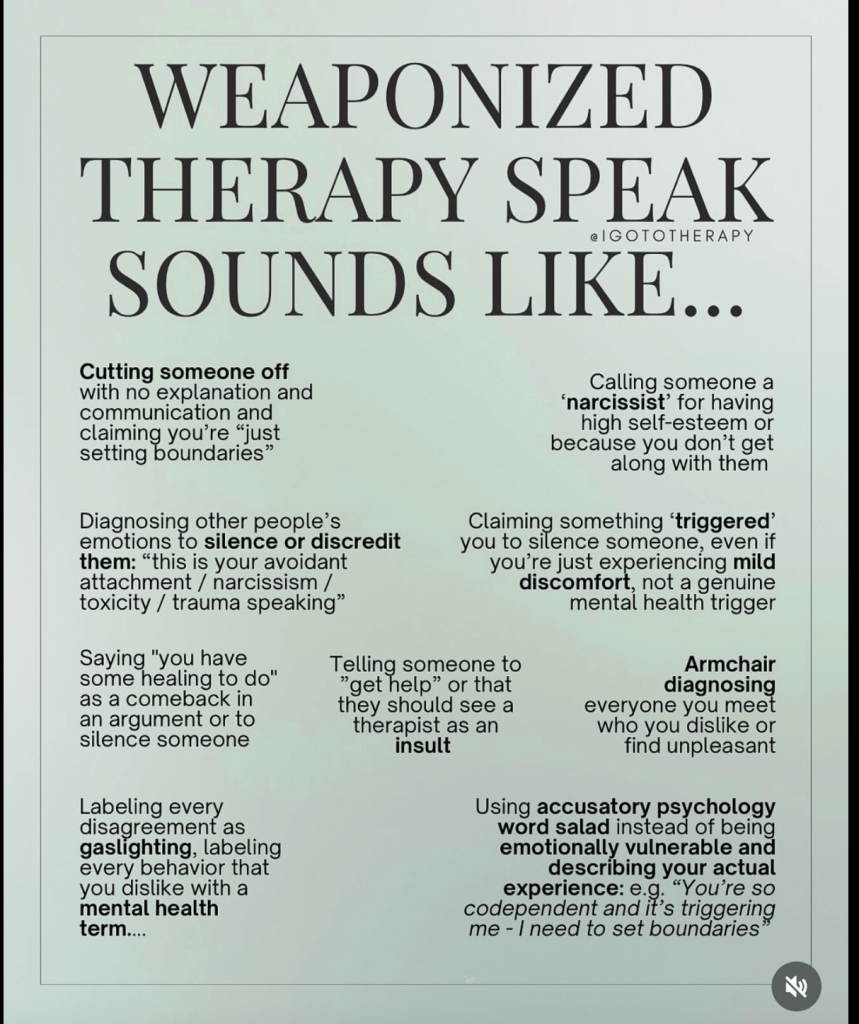
It’s called DARVO. Deny. Attack. Reverse Victim and Offender. And my diagnosis made it easy.
It always worked for a while. Then the facts would outweigh the gaslighting and I’d see it again. It was never mania.
But sometimes the gaslighting got so big I’d try to drown it. Drinking. Drugs. And for me, that’s the one road that actually does lead to mania. Every real episode I’ve had started with something to numb an overwhelm I couldn’t fix.
I quit drinking in January 2024. Since then, zero hospitalizations. Zero psychosis. Zero mania. Not even with all of this going on.
That’s why ending avoidance matters so much to me. If I speak up while things are small, there’s no sudden switch for anyone to point at. Nothing to call “out of character.”
> what real mania looked like: psychosis_history.log
I know what mania looks like. I’ve lived it.
Real mania made me a different person. Days without sleep. Talking fast, all over the place. It made perfect sense to me and none to anyone else.
Early on, it felt amazing. Five projects at once. Genius ideas. I’d solved problems nobody else could. Impulsive money decisions. Impulsive sexual ones. Conspiracy theories. More drinking, more drugs, because why not. I felt great.
Then it turned.
Psychosis. Everyone was out to get me. And if everyone I knew wanted to hurt me, I didn’t see a reason to live.
I’d lock myself in. Keep police and social workers outside for hours. I scared people. For real.
The last time I was hospitalized, I showed up drunk and on three drugs. Tore my clothes off. Tried to run. Fought security. Two shots of sedatives to stop me.
That’s mania.
Sitting down calm and organized, facts in front of me, asking someone to own what they did?
That’s a conversation.
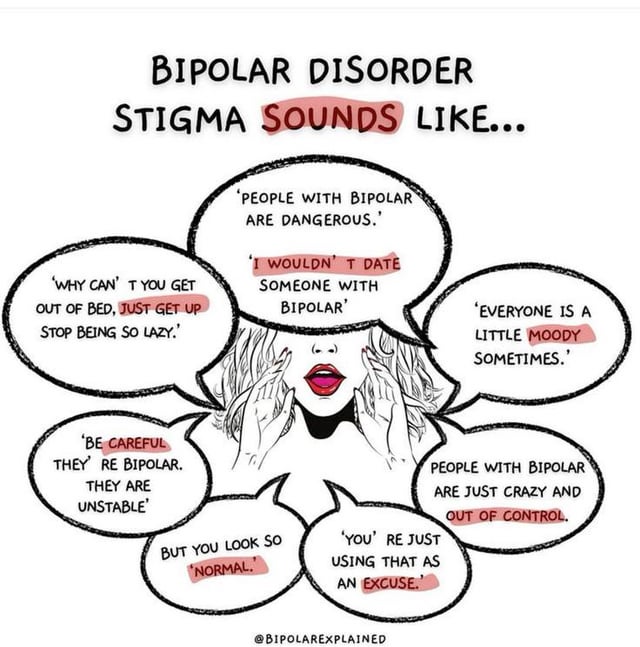
I’ve lived with bipolar for over twenty years. If I claimed to be an expert in something I’m not trained in, my psychiatrist would call it grandiose. When they do it, nobody blinks.
> what I did instead: receipts.csv
Mania doesn’t sit in therapy every week and follow its treatment plan.
Mania doesn’t find nearly 20 unhealthy patterns and then end them.
Mania doesn’t write a manifesto, memorize it, and live by it.
Mania doesn’t set boundaries and keep them.
Mania doesn’t spot suffering and work to reduce it.
Mania doesn’t look inward and do the shadow work.
Mania doesn’t walk away from the news and social media and stay away.
Mania doesn’t sleep eight hours and take naps.
Mania doesn’t walk into a psych facility and ask for help.
Mania doesn’t do IFS session after IFS session digging into its own parts.
Mania doesn’t quit alcohol, then quit cannabis in the hardest months of its life.
Mania doesn’t go to weekly support groups.
Mania doesn’t do peer support and keep the certifications current.
Mania doesn’t write public amends.
Mania doesn’t hold people accountable with facts.
Mania doesn’t show up to TMS almost every day for two months without missing once.
Mania doesn’t feel guilt.
Mania doesn’t grieve.
Mania doesn’t stay. It runs.
I did every one of them.
> I know how this looks: boundaries_vs_blindsides.diff
I know how this looks.
Manic me cut everyone off and said they were out to hurt me. Now I’ve cut people off and I’m saying they hurt me. Same thing, right?
No.
Back then there were no boundaries. No conversations. No asking anyone to own anything. Just a message out of nowhere. Everyone blindsided. Everyone accused.
Now people know where the line is. If they cross it, or won’t own what they did, I say so. If it keeps happening, I’m done.
Some people don’t get a conversation. If what they did was unsafe enough, I just end it.
Every time, it’s based on what they actually did. Not what I was afraid of. What happened.
It’s not impulsive. It’s protecting my healing.
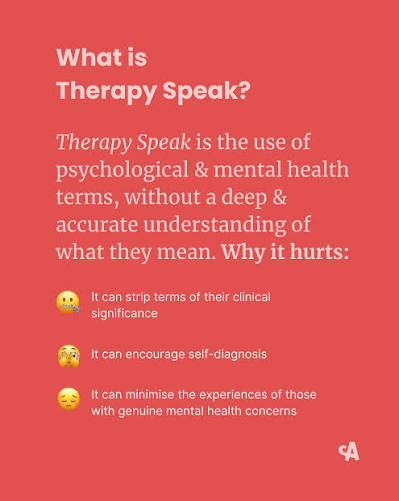
> five minutes became forty miles: thirty_second_no.exe
Here’s what it looks like now.
Someone asked me for a small favor. A five minute ride to an appointment. I said yes.
Thirty seconds later, it was forty miles.
No offer for gas. No lunch. Nothing. Just the assumption that my yes covered whatever came next.
I said no to the new version. I’d still do the original. They said I was changing my mind.
I didn’t change my mind. They changed the ask.
Then came the shame. It’s an emergency. You have to help me.
I woke up that day with zero anxiety. Thirty seconds later it was back. I didn’t ask for that.
So I said it straight. I don’t think you were honest the first time. This feels manipulative.
They made me the bad guy.
So I told them I was done, and I blocked the number.
Old me would have driven the forty miles. Resented every one of them. Let them use me again next time, and the time after that.
Then one day it would be too much to ignore, and I’d dump the whole list on them at once. Every favor. Every lie. Months of it.
And that’s when they’d say it.
You sound manic.
Now it takes thirty seconds.
> it's still happening: welfare_checks.log
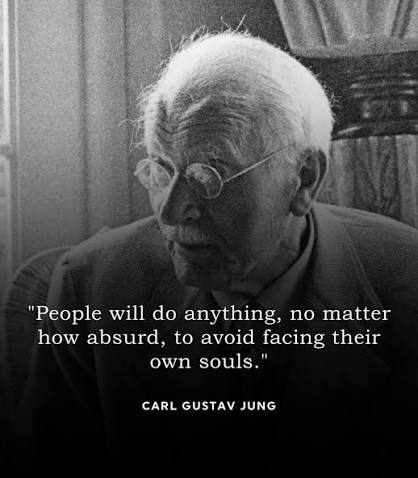
It’s still happening.
They’ve called my friends. My family. The police. Fellow veterans. Told them I’m unsafe. Manic. Suicidal. That someone needs to do a welfare check.
I’m sober. Stable. Safe. In treatment with three providers who know the truth.
Same move as the psych ward. Different decade. I ask for accountability, they call it mania, and suddenly everyone’s worried about me instead of asking what they did.
It’s not concern. It’s cover.
> what I see now: alibi_revoked.txt
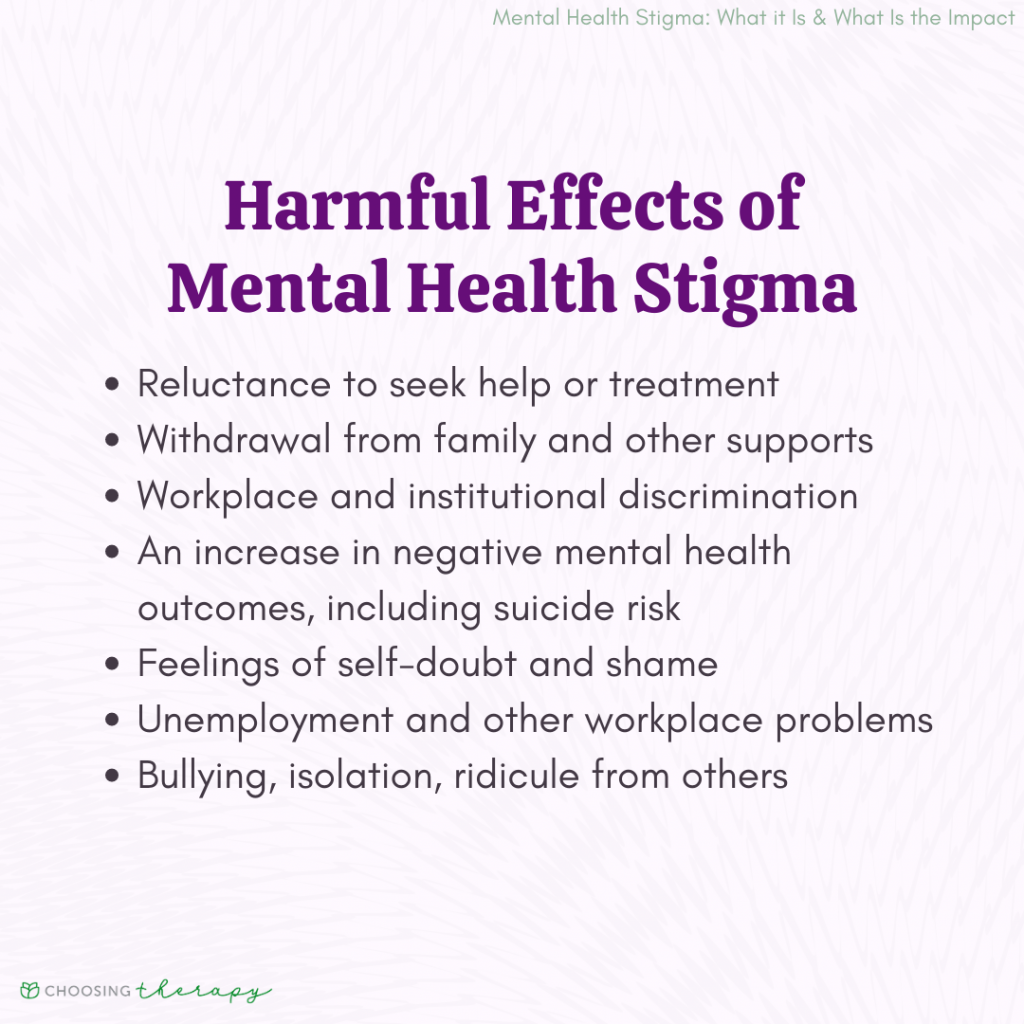
So here’s what I see.
Every time I asked you to own something, I got a diagnosis instead of an answer. Every time. It worked for a while. It doesn’t anymore.
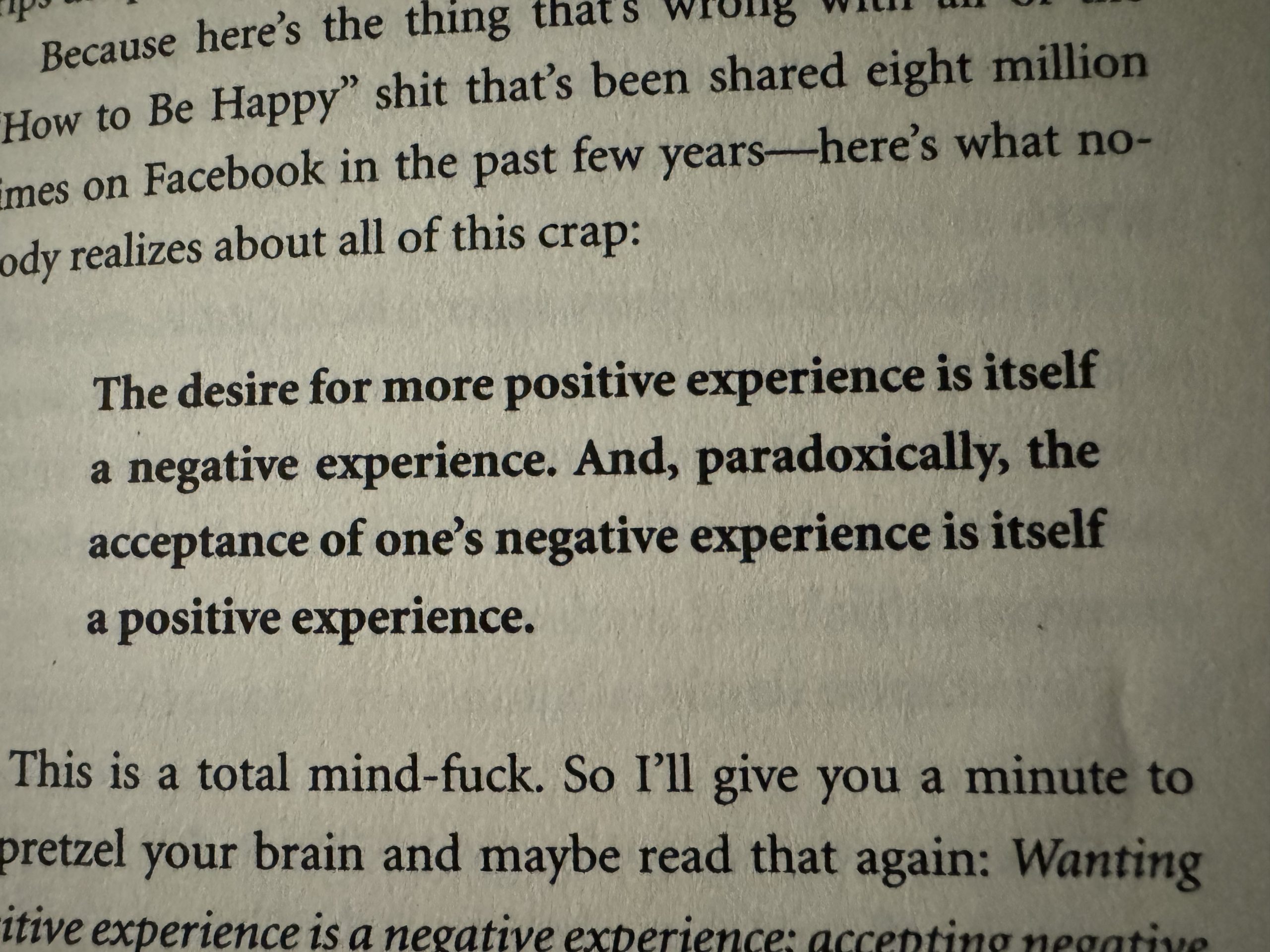
My bipolar is not your alibi.
And if you’re someone who got a call about me, a text, a “he’s not okay,” ask one question. Not about me. About them. What were they being asked to own right before they started calling me manic?
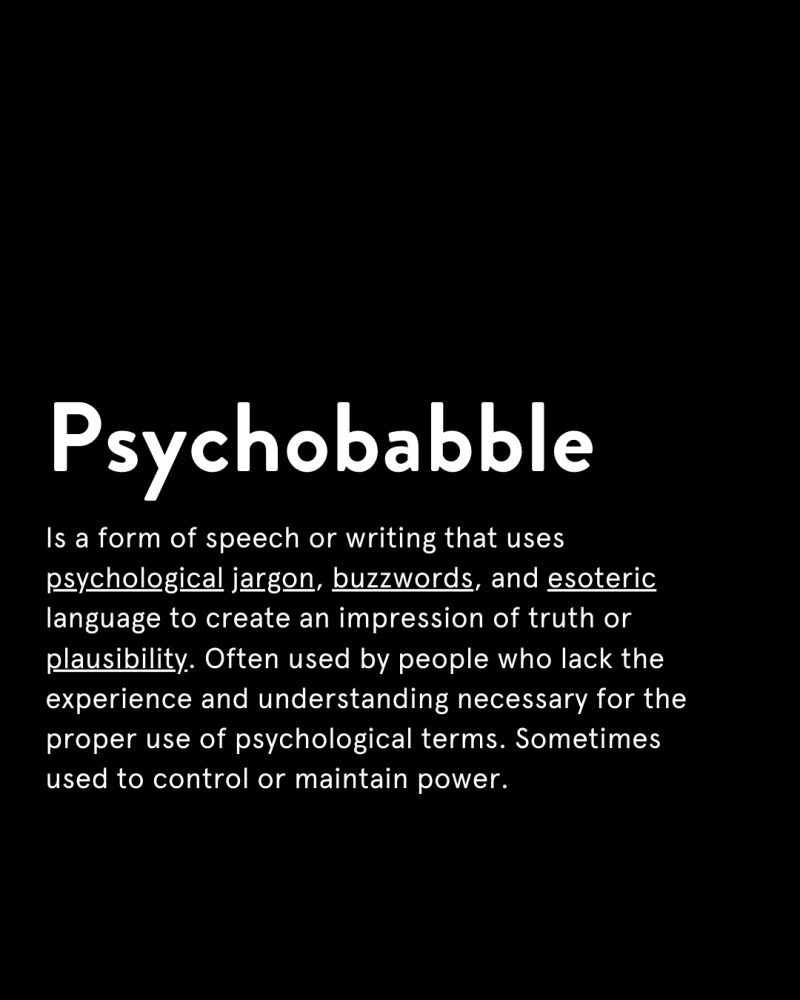
Mania doesn’t have a body count.
Stigma does.
I’m still here to write this.
Not everyone is.
Capisce?
> if this is you right now: call_988.log
If any part of this post hit somewhere real and you are thinking about ending your life, please reach out before you act on it.
The 988 Suicide and Crisis Lifeline is free, confidential, and available 24 hours a day, every day.
Call or text 988, or chat online at 988lifeline.org.
You do not need to be at your worst moment to call.
You do not need the right words.
You just need to still be here to make the call, and that is enough.