2KVYOT3.L0VE
Tukayote Helianthus v2
Walking away from suffering.
Walking towards love.
With intention.
49206C6F766520796F752E
-
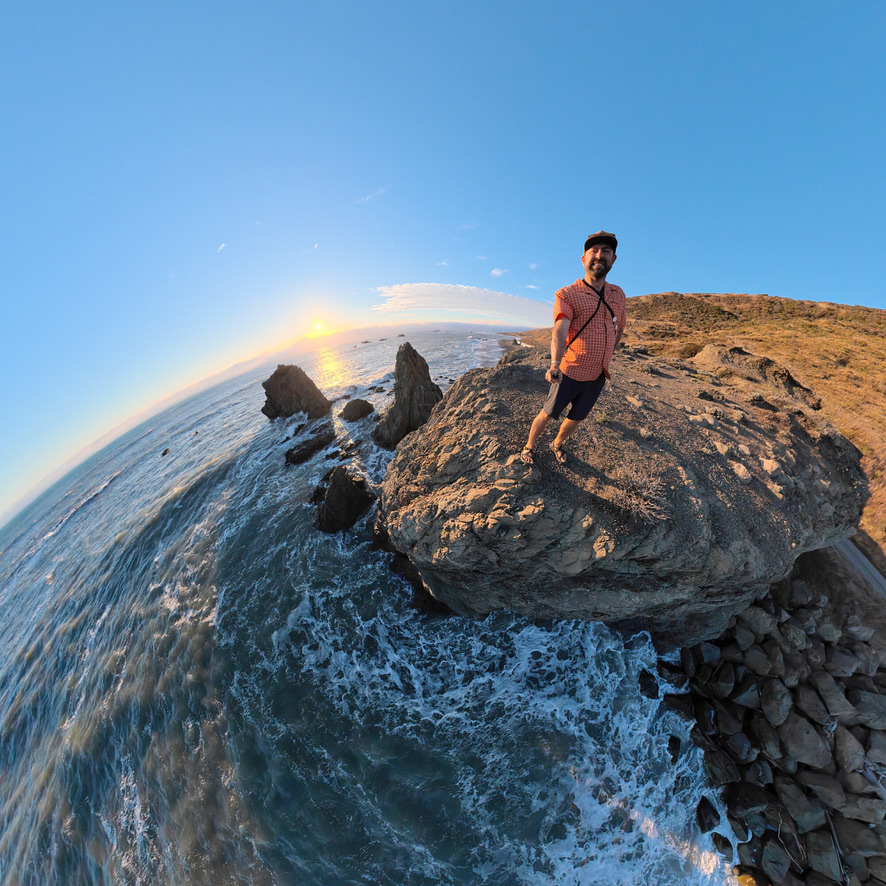
Six years ago, that smile wasn’t real. I was flat, numb, and buried under a stack of psychiatric medications that dulled everything human in me. I was surviving, not living. Hospitalizations, psychosis, loss after loss followed. Then, unexpectedly, a research trial changed the trajectory. A Vagus Nerve Stimulator didn’t save me overnight, but it gave me a foothold. From there, I rebuilt slowly and painfully. Today, I’m present. I still live with Bipolar Disorder and PTSD, but they don’t own me. If you’re in the dark right now, hear this: hope can arrive quietly, sideways, and late, but it can…
-
Most people don’t wake up thinking about dopamine. I do. For me, it isn’t a trendy neuroscience term. It’s the invisible force behind my focus, my addictions, and my long road to recovery. Living with a chronically low dopamine baseline feels like existing in grayscale while everyone else lives in color. Substances once felt like oxygen, not excess. Through brain scans, genetics, and IFS therapy, I’ve learned my addiction wasn’t a moral failure. It was a nervous system starving for relief. Recovery, for me, isn’t abstinence alone. It’s dopamine repair, self-compassion, and learning safer ways to feel alive.
-
Three hundred days ago, I walked away from my drug dealer, and it came in a shiny, “natural” package. Kratom didn’t look dangerous. It promised relief, energy, healing. What it delivered was dependence. My opioid receptors didn’t care that it came from a plant. The withdrawals were brutal, the marketing still predatory, and the lie of “safe” continues to pull people in. This isn’t an anti-wellness rant. It’s lived truth. Kratom isn’t harmless. I’m grateful I got out when I did, and I’m speaking up because someone else deserves to know what they’re really signing up for.
-
Emotional urges can hijack the wheel fast. You know the choice won’t help, you see the outcome coming, and sometimes you do it anyway. For me, that looks like food that spikes my blood sugar. Tonight, I didn’t use a skill I know works: Opposite Action. And I’m living with the consequence. But this isn’t about shame. It’s about agency. DBT skills don’t make urges disappear. They give you a moment of choice inside the chaos. That moment is power. And every moment after is another chance to use it.
-
One month ago, I walked away from the IT industry, not impulsively, but out of necessity. What finally broke the spell wasn’t burnout or boredom, but a deeper realization: staying was costing me my emotional and physical health. This is the story of choosing emotional sobriety, radical self-love, and a different path forward, one rooted in recovery, integrity, and freedom. The road ahead is unknown, but it’s no longer the one that was slowly wearing me down.
-
A spontaneous tattoo on Bourbon Street nearly killed me. What started as a tired, impulsive “YOLO” decision during a solo road trip turned into a severe infection and a real brush with sepsis. Years later, that same tattoo has become a daily reminder that time is finite and choices matter. I don’t read “You Only Live Once” as recklessness anymore. I read it as responsibility. One life. One body. One shot to spend my hours on what actually brings meaning, joy, and integrity.
-
I was diagnosed with Bipolar I in 2007, but the truth is my war with myself started long before that, shaped by childhood trauma, military exposure, toxic relationships, and years of survival-mode coping. I lost jobs, housing, stability, and nearly my sense of self. What changed wasn’t a miracle cure. It was ownership. I got sober. I faced my history head-on. I learned my brain, my trauma, my patterns, and my parts. Recovery, for me, isn’t a finish line. It’s a daily practice of honesty, responsibility, and refusing to disappear. I’m not just what happened to me. I’m who I…



Top Tags
abandonment access accountability addiction alcohol amends anger anxiety attachment avoidance awareness beach being alone bellingham washington bipolar disorder bison metaphor boundaries cannabis chemical sobriety codependency community confusion consequences courage crisis crying dance death denial disability drugs ego death emotional sobriety emotional wound exercise fear freedom gratitude grief guilt happiness harm healer healing honesty hope hospitalization hurt hypervigilance identity indigenous teachings in photos insta360 integrity internal family systems intimacy joy labels and stigma little squalicum pier long distance walking loss love mania medication mental health nervous system ocean ownership parts work peer support photography physical health physical touch psychiatry PTSD radical acceptance rebirth recovery respect ricoh griiix romance sadness salish sea scars self love self worth shame sobriety solitude somatic movement suffering therapy toxic patterns transformation trauma trigger veteran vulnerability washington wisdom